
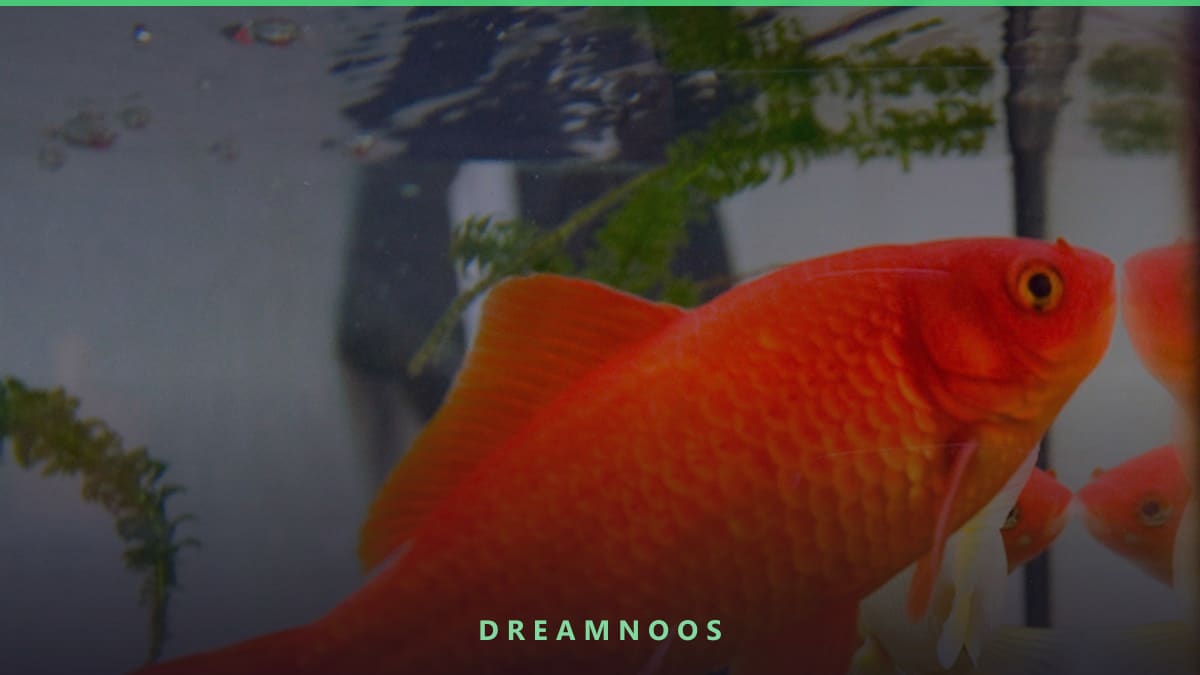
What a eating fish dream means
Eating-fish dreams usually move beyond symbol contact into symbol assimilation.
The dream asks what kind of value you are currently taking in, and whether it is digestible.
Eating Fish symbolism
- Eating fresh fish: clean gain and useful insight.
- Eating spoiled fish: compromised input and caution.
- Sharing fish meal: relational support and collective benefit.
- Refusing fish: resistance to available nourishment.
Classical readings of eating fish dreams
Classical traditions often connect fish with provision and lawful gain.
Eating fish tends to intensify the acquisition lane, shifting from possibility to received outcome.
The psychology of eating fish dreams
Psychologically, this dream can reflect integration of emotional lessons, recovery nutrition, or acceptance of support.
It may also appear after periods of scarcity mentality.
How context changes a eating fish dream
- Eating alone: private integration.
- Eating in crowded setting: social pressure around value and status.
- Clean plate after meal: completion and closure.
- Feeling sick after eating: misaligned gain or difficult truth intake.
Positive/negative interpretation conditions
Positive lane strengthens when food is clean, the body feels well, and the dream ends calmly.
Cautionary lane strengthens with contamination, nausea, or coercive eating scenes.
Observed recurring patterns
- Recurring fish-eating dreams often occur during financial or emotional stabilization phases.
- Raw-fish variants commonly appear in unfinished transition cycles.
- Shared-meal motifs frequently map to renewed trust environments.
Common co-occurring symbols
- Eating fish + water: emotional and practical nourishment together.
- Eating fish + bread: stable support and routine gain.
- Eating fish + market: resource selection and discernment.
Interpretive contradictions
- Eating fish is not always prosperity; quality of the meal matters more than the act itself.
- Refusal can indicate wise filtering, not only missed opportunity.
Source-anchored notes
- Traditional readings connect fish imagery to provision and meaningful gain.
- Modern analysis links eating symbols with assimilation, capacity, and acceptance.
Entity psychology — eating fish
Instinct mirror — eating fish carries instinct your psyche projects onto a living symbol. Bond type — Wild, domestic, or liminal eating fish shifts whether the dream feels relational or archetypal. Movement read — Flight, chase, stillness, or sound from the eating fish tilts fear vs awe. Scale of threat — Size and teeth/claws (or their absence) calibrate vulnerability vs power. Human relation — Pet, predator, herd member, or pest—your role toward eating fish matters. Ecology hint — Habitat in the dream (home, forest, water) grounds the eating fish in waking context.
Traits to track: instinct, wild mirror, unclassified creature.
What eating fish represents in dreams
- Core eating fish symbol — Your waking associations to eating fish anchor the read before any glossary.
- Setting layer — Home, travel, work, or nature calibrates tone and scale.
- Your role — Witness, cause, rescuer, or fugitive shifts agency.
- Emotion on waking — Fear, grief, relief, or shame tilts integration vs avoidance.
- Vs cluster links — Compare related hub pages in your graph—not interchangeable symbols.
Extended psychological read
Eating Fish in a Dream dreams often follow recent contact with eating fish imagery—news, pets, phobia, or childhood memory. The presence layer adds wild mirror; your role (protect, flee, feed) matters more than species folklore. Map waking bond before universal animal lists.
Eating Fish dreams across cultures and traditions
Folk traditions often assign moral or omen weight to animals, but personal bond and behavior in the dream outweigh generic catalogs. Classical bestiaries treated creatures as mirrors of temper—loyalty in dog, pride in lion, cunning in fox—while modern ecology adds habitat loss undertones for some dreamers.
More eating fish dream scenarios
You flee from eating fish. Fear or respect—context decides which.
Child with eating fish. Innocence meets instinct—protector read.
Eating Fish approaches slowly. Trust or threat—pace matters more than species lore.
You feed eating fish. Care bond or instinct meeting routine.
Eating Fish speaks or looks at you. Message dream—note emotion on eye contact.
Eating Fish changes size. Threat vs awe—scale shifts before meaning.
You search for lost eating fish. Missing bond or responsibility theme.
Wild eating fish in your home. Instinct inside private life—boundary breach.
Dead eating fish that moves. Rule break—symbol shifts from ended to uncanny.
Stranger controls eating fish. Projection—who holds the symbol in waking life?
Negative signals vs positive signals
| Pattern | In dream | Waking link |
|---|---|---|
| Loop | Same eating fish returns | Unfinished theme |
| Spike | Sudden {attr} on eating fish | Recent stress fair |
| Drop | eating fish vanishes | Avoidance or release |
| Shift | eating fish transforms | Identity change read |
How to read your eating fish dream
- Role toward eating fish — Protector, cause, witness, or fugitive.
- Sound and motion — What eating fish did before dream ended.
- Social layer — Public shame, private grief, or secret relief.
- Repeat pattern — First time or recurring eating fish theme.
- Integrate — One sentence: what {title} asked you to notice.
More eating fish dream questions
Vs similar symbols? Eating Fish psychology differs from swap-in entities—use cluster contrasts.
Childhood memory of eating fish? Personal history outweighs generic omen lists.
Nightmare vs curious dream? Waking emotion calibrates threat, not dictionary alone.
Recurring eating fish? Track one waking theme per week—pattern over single night.
What your eating fish dream is telling you
Name one role you played, one emotion on waking, and one waking link to eating fish. Revisit cluster pages when eating fish repeats—integration beats prophecy spiral.
Snippet-oriented recap
Eating Fish dreams map instinct, wild mirror, unclassified creature through scene context. Link related hub entries—not fixed omen gloss alone.
Share Your Dream Experience
Had a similar dream? Share your experience or ask a question — comments appear after moderation.
No comments yet. Be the first to share your experience.