The Living World Inside Sourdough: How Microbes Shape Bread, Flavor and Tradition
Sourdough is a living microbial ecosystem. Discover how bacteria, yeast, fermentation and local traditions shape its flavor, texture and character.
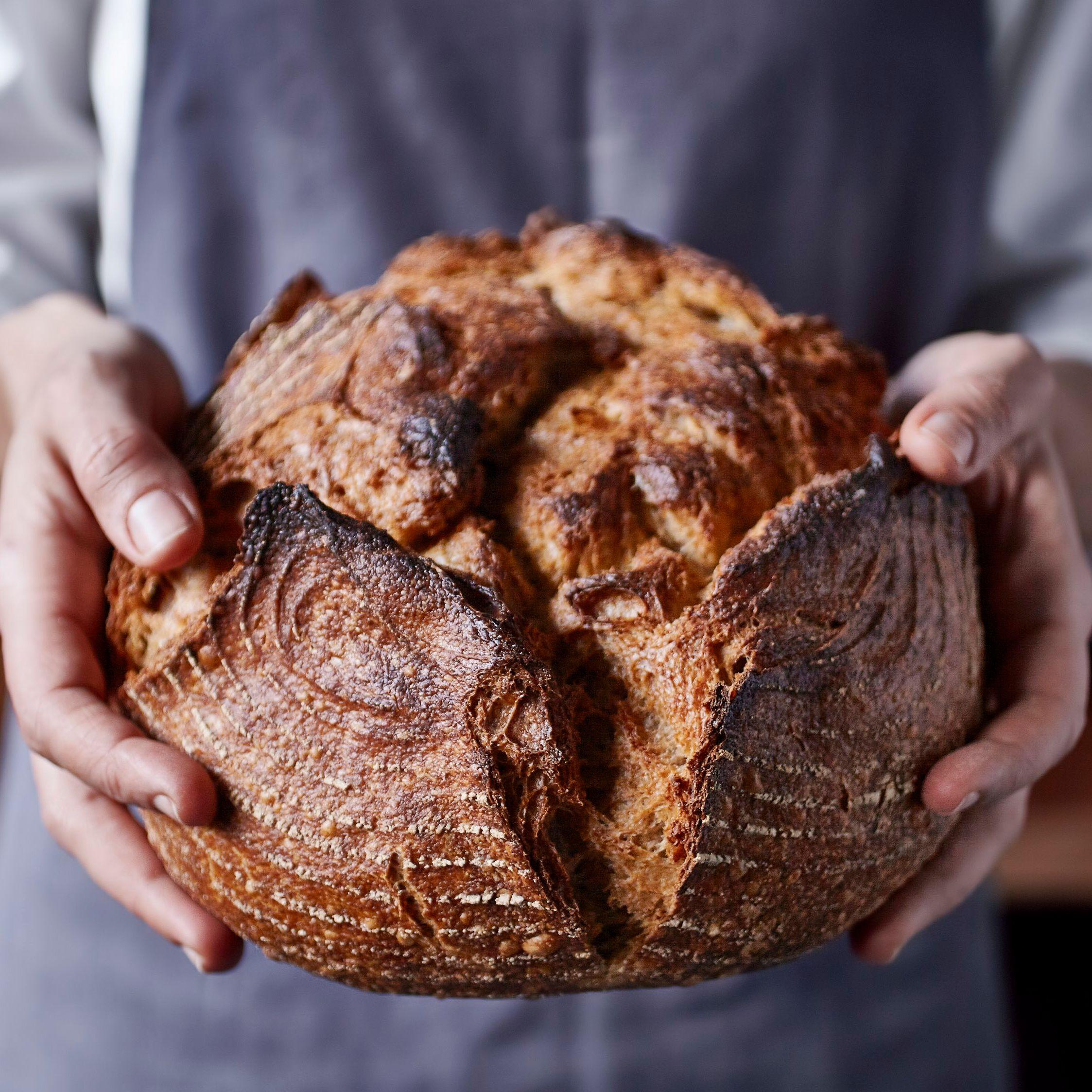
The Living World Inside Sourdough: How Microbes Shape Bread, Flavor and Tradition
A sourdough starter can look surprisingly ordinary. It is usually little more than flour and water sitting in a jar, sometimes bubbling gently, sometimes developing a sharp smell that makes an inexperienced baker wonder whether something has gone wrong.
Yet inside that mixture, an entire microbial community is at work.
Yeasts and bacteria consume available nutrients, produce acids and gases, and gradually transform the dough. Their activity influences how bread rises, how its crust develops, why its interior has a particular texture and where its distinctive aromas come from.
Unlike bread made with commercial baker’s yeast alone, traditional sourdough depends on a more complex relationship between microorganisms.
That relationship is now attracting renewed scientific attention.
In 2026, researchers examined sourdough cultures collected across Europe, investigated how fermentation conditions influence microbial communities and explored how selected bacteria and yeasts can change the nutritional and sensory characteristics of bread.
The findings reveal something important: sourdough is not simply an old-fashioned way of making bread. It is a living food ecosystem shaped by ingredients, environment, time and human practice.
Understanding that ecosystem also helps explain why two sourdough loaves made with apparently similar recipes can taste remarkably different.
What actually lives inside a sourdough starter?
A traditional sourdough starter is generally made by combining flour and water and allowing naturally occurring microorganisms to develop.
The main microbial groups are:
- Lactic acid bacteria: These microorganisms produce organic acids and other metabolites that contribute to sourness, aroma and the chemical environment of the dough.
- Yeasts: They produce carbon dioxide, helping the dough expand, and contribute to the development of flavour compounds.
- Other associated microorganisms: Depending on the starter and its environment, additional bacterial and fungal species may be detected.
The relationship between lactic acid bacteria and yeasts is particularly important.
Yeasts use fermentable sugars and release carbon dioxide. Bacteria contribute acidity and a range of metabolic products that influence the flavour and structure of the final bread.
Their interactions are not always cooperative in a simple sense. Different organisms compete for nutrients, tolerate different acidity levels and respond differently to temperature and fermentation time.
A starter is therefore not a fixed recipe ingredient. It is a microbial community whose composition can change.
This helps explain why sourdough maintenance matters.
When a baker refreshes a starter by adding fresh flour and water, the microbial population receives new nutrients. The amount of starter retained, the flour selected, the temperature and the time between refreshments all influence the conditions in which the community develops.
The process is sometimes called backslopping: a portion of an existing fermented mixture is carried forward into a new batch.
A baker may describe this as feeding a starter. A microbiologist sees it as repeatedly managing an evolving ecosystem.
Why does one sourdough taste different from another?
The flavour of sourdough is not determined by acidity alone.
During fermentation, microorganisms produce a range of substances, including organic acids, alcohols, esters and other volatile compounds. These molecules contribute to the bread’s aroma and taste.
The balance between them can create very different sensory experiences.
One loaf may have a mild, creamy acidity. Another may taste sharply sour, with fruity, nutty or fermented notes.
Several factors influence the result.
The flour matters
Different grains contain different combinations of carbohydrates, proteins, minerals and enzymes.
Wheat and rye, for example, provide different nutritional environments for microorganisms.
Wholegrain flour also contains more of the grain’s outer layers and germ than refined flour, potentially changing the nutrients and microbial conditions available during fermentation.
The choice of flour can therefore influence both the starter’s development and the character of the finished bread.
Temperature changes microbial activity
Fermentation temperature influences how quickly microorganisms grow and which members of the community become more prominent.
A 2026 study published in Food Bioscience examined wheat sourdough fermented at 25°C, 15°C and 8°C.
The researchers found that temperature changed the microbial composition and metabolic characteristics of the starter.
At the lower temperature, acidification slowed and more fermentation cycles were needed for the starter to mature. Different bacterial populations also became more prominent under different temperature conditions.
This matters because temperature is not simply a way to make fermentation faster or slower. It can influence which organisms dominate and what chemical compounds are produced.
A baker who changes the temperature may therefore change the flavour profile, not just the schedule.
Time creates complexity
Longer fermentation allows additional microbial activity and chemical transformations to occur.
However, more fermentation time does not automatically produce better bread.
Excessive fermentation can weaken dough structure, create unwanted acidity or make the dough difficult to handle.
The ideal duration depends on the flour, starter, hydration, temperature and desired bread characteristics.
Good sourdough baking is therefore a balance between microbial activity and the physical properties of dough.
A European experiment involving hundreds of sourdough samples
One of the most interesting food-science projects of 2026 involved people who make sourdough at home and in professional bakeries.
Published in npj Science of Food on January 27, the HealthFerm citizen-science study investigated how sourdough practices vary across households, professional baking environments and geographical regions.
The project attracted more than 1,000 participants from 33 countries.
Researchers collected 671 sourdough samples and combined them with information about ingredients, maintenance routines, fermentation conditions and sensory characteristics.
The study also involved standardised experiments that participants could perform at home.
Rather than examining only laboratory-produced starters, the project attempted to capture the diversity of sourdough as it is actually maintained in everyday life.
Several differences emerged.
Professional bakers tended to maintain older starters more frequently than household bakers. The study reported that 55% of professional bakers’ starters were older than five years, compared with 28% among household bakers.
Professional bakers also more often refreshed their starters daily, while weekly refreshing was common among household participants.
The average fermentation temperatures reported were approximately 23°C in professional bakeries and 21°C in households.
These findings do not mean that a five-year-old starter is automatically better than a five-month-old one.
They demonstrate that sourdough practices are shaped by different working environments and routines.
A bakery may need predictable fermentation behaviour throughout the week. A household baker may prioritise convenience, flavour experimentation or the pleasure of maintaining a culture over time.
The research also created a valuable resource for future microbiological studies by connecting real-world baking practices with microbial samples and standardised observations.
It illustrates how traditional food knowledge can become part of modern scientific research without losing its cultural context.
Traditional starters are not identical around the world
Bread has developed differently across regions because of variations in grains, climate, cooking methods and local food traditions.
Sourdough is part of this broader history.
In some regions, wheat-based starters are common. In others, rye, mixed grains or alternative cereal ingredients play a larger role.
The way bread is baked also matters.
European sourdough loaves, traditional Middle Eastern breads and fermented cereal products from Asia may share aspects of microbial fermentation while developing very different culinary identities.
A study published on November 2, 2026, in the International Journal of Food Microbiology examined traditional Chinese sourdough using metagenomic and flavour-analysis techniques.
The researchers identified important microbial groups and analysed 109 volatile compounds associated with the fermented product.
They also reported relationships between particular microorganisms and flavour-related compounds.
This is an important distinction: researchers were not simply cataloguing which microbes were present. They were investigating how microbial communities relate to the chemical characteristics that contribute to flavour.
The findings reinforce the idea that fermentation is part of cultural food diversity.
Traditional sourdoughs should not be viewed as interchangeable versions of one universal recipe. Their microbial and chemical profiles can reflect local ingredients, production habits and accumulated culinary knowledge.
Does sourdough really have nutritional advantages?
Sourdough is often described as healthier than ordinary bread.
There are scientific reasons why fermentation can influence nutritional characteristics, but broad health claims require caution.
During fermentation, microbial activity and flour enzymes can change the composition of the dough.
Depending on the ingredients and process, these changes may influence:
- The breakdown of certain proteins
- The availability of some minerals
- Organic acid concentrations
- Starch characteristics
- The formation of flavour compounds
- The digestibility of selected components
A review published in August 2026 in the Journal of the Science of Food and Agriculture examined sourdough fermentation as a factor influencing the nutritional quality of cereal-based baked products.
It discussed how lactic acid bacteria and yeasts contribute to acidification, proteolysis, enzyme activation and metabolite production.
These processes can alter the nutritional profile of bread.
However, the outcome depends on the specific starter, grain, fermentation conditions and final baking process.
There is another important point that is sometimes overlooked in popular discussions of sourdough.
The living microorganisms in the starter do not necessarily remain alive in the same way after baking. Bread is exposed to high temperatures during baking, which inactivates most of the fermenting yeasts and bacteria.
Consequently, sourdough bread should not automatically be described as a probiotic food.
Its nutritional characteristics may differ from those of other breads, but that does not establish that it treats digestive disorders or provides the same effects as consuming live probiotic cultures.
A careful distinction between laboratory findings, nutritional composition and demonstrated human health outcomes is essential.
Can scientists design a better sourdough?
Traditional sourdough depends on naturally developing microbial communities. Modern food science is also exploring whether selected microorganisms can be combined to produce more predictable results.
This approach involves identifying strains with desirable characteristics and using them in controlled starter cultures.
For example, researchers may select organisms that produce particular acids, contribute to aroma development or influence protein breakdown.
A July 2026 study in Food Chemistry investigated metabolically defined lactic acid bacteria communities and their effects on sourdough bread.
The research reported improvements in selected protein digestibility and nutritional quality indicators under the tested fermentation conditions.
It also examined the volatile compounds associated with aroma.
This approach could help manufacturers produce breads with more consistent characteristics while retaining some of the complexity associated with sourdough fermentation.
But standardisation introduces a design challenge.
A traditional starter’s variability is part of what makes it interesting. If every bakery uses an identical microbial combination under identical conditions, some regional and individual differences may disappear.
The future of sourdough may therefore involve two parallel approaches.
One will focus on controlled cultures for predictable industrial production. The other will continue to value spontaneous fermentation, local ingredients and the distinctive characteristics of traditional starters.
Neither approach needs to replace the other.
The cultural value of keeping a starter alive
For many bakers, a sourdough starter is more than an ingredient.
It can be inherited, shared, renamed and maintained for years. Some people preserve cultures associated with a particular bakery, family or region.
This creates a relationship between food and memory.
A starter passed from one household to another carries a practical tradition: how it is refreshed, what flour is used, how long the dough rests and what kind of bread the family prefers.
But it is important not to confuse a starter’s age with a scientifically verified history of its microorganisms.
Microbial communities change over time. A culture that has been maintained for decades may not contain exactly the same microbial population it had when it was first created.
Its cultural continuity can be real even when its microbial composition evolves.
That distinction makes sourdough especially interesting.
It is simultaneously a food, a biological process and a form of living culinary heritage.
What the future of fermentation could look like
The renewed scientific interest in sourdough is part of a broader shift in food research.
Scientists are increasingly examining food not simply as a collection of ingredients, but as a system shaped by microorganisms, enzymes, chemical reactions and environmental conditions.
This could influence several areas of food production.
More precise fermentation: Better knowledge of microbial interactions may allow producers to control acidity, aroma and texture more consistently.
Regional food identity: Microbial analysis may help document distinctive traditional fermentations and protect knowledge associated with local food cultures.
New cereal products: Researchers can explore how fermentation changes the characteristics of grains that are less commonly used in modern bread production.
Improved production methods: Selected microbial cultures may help manufacturers develop processes that use resources more efficiently or produce specific product qualities.
Consumer understanding: Better communication about fermentation could help people distinguish genuine nutritional evidence from exaggerated marketing claims.
The important question is not whether science will make traditional sourdough obsolete.
It is whether scientific knowledge can help preserve the diversity of fermentation while making its production more reliable and understandable.
Bread as a meeting point between science and tradition
A loaf of sourdough may contain only a few basic ingredients, but the process behind it is remarkably complex.
Flour provides the raw material. Water creates the environment. Microorganisms transform the mixture. Temperature and time influence their activity. The baker guides the process through experience and observation.
That combination is part of what makes sourdough so enduring.
Modern research is revealing details that traditional bakers could not directly observe. Scientists can now identify microbial populations, measure chemical changes and compare fermentation practices across countries.
Yet the fundamental craft remains familiar: maintain a starter, understand the dough, allow time for fermentation and learn how the material responds.
Perhaps that is the most interesting lesson from sourdough research.
Some of the most sophisticated food technologies do not begin with entirely new ingredients or machines. They begin by understanding the living processes that people have been using for generations.
Inside a jar of flour and water, an ancient relationship between humans and microorganisms continues to evolve.
And every loaf tells a slightly different story.
Sources and Further Reading
- Meyer, A. R. et al. (2026). Rising together: exploring sourdough fermentation diversity through co-design in the HealthFerm citizen science initiative. npj Science of Food. Published January 27, 2026.
- Gettemans, T. et al. (2026). Decoding artisan sourdoughs: The interplay of microorganisms, metabolites, and production parameters. Food Research International. Published August 31, 2026.
- Mushtaq, B. S. et al. (2026). Impact of fermentation regime and metabolically defined LAB consortia on sourdough bread nutritional and volatile composition. Food Chemistry. Published July 30, 2026.
- (2026). Metagenomic and metabolomic integration reveals microbial mechanisms underlying low-temperature-driven flavor diversity in backslopped wheat sourdough. Food Bioscience. August 2026.
- (2026). Revealing the correlation between microbial community and flavor compounds in traditional Chinese sourdough by integrating flavoromics and metagenomics. International Journal of Food Microbiology. Published November 2, 2026.
- Stefanson, R. et al. (2026). Sourdough fermentation as a modulator of nutritional quality in cereal-based baked products. Journal of the Science of Food and Agriculture. Published August 24, 2026.
Editorial note: Sourdough research covers microbial ecology, food chemistry and nutritional composition. Findings from laboratory studies should not be interpreted as proof of clinical health benefits without appropriate human studies.